Meta Description:When it comes to house decorating plants indoor and outdoor, selecting the right greenery can transform your home into a lush retreat. Whether you’re arranging plants for an indoor living room, a balcony, or a garden patio, indoor and outdoor plants add vibrancy, texture, and life to your space. In this detailed article, I will guide you through choosing the best plants, styling tips, care, and display ideas — specifically tailored to house decorating plants for indoor and outdoor use.
House Decorating Plants Indoor and Outdoor: A Comprehensive Guide
When it comes to house decorating plants indoor and outdoor, selecting the right greenery can transform your home into a lush retreat. Whether you’re arranging plants for an indoor living room, a balcony, or a garden patio, indoor and outdoor plants add vibrancy, texture, and life to your space. In this detailed article, I will guide you through choosing the best plants, styling tips, care, and display ideas — specifically tailored to house decorating plants for indoor and outdoor use.
Table of Contents
- Why Use Plants for House Decorating (Indoor & Outdoor)
- Indoor Decorating Plants: Top Picks and How to Style Them
- 2.1 Best Plants for Indoor Decoration
- 2.2 Styling & Placement Tips for Indoor Plants
- 2.3 Care & Maintenance for Indoor Plants
- 2.1 Best Plants for Indoor Decoration
- Outdoor Decorating Plants: Top Picks and How to Style Them
- 3.1 Best Plants for Outdoor Decoration
- 3.2 Styling & Placement Tips for Outdoor Plants
- 3.3 Care & Maintenance for Outdoor Plants
- 3.1 Best Plants for Outdoor Decoration
- Transitioning Between Indoor & Outdoor: Versatile Plants
- Common Mistakes in House Decorating Plants and How to Avoid Them
- Conclusion
- Frequently Asked Questions (FAQs)
1. Why Use Plants for House Decorating (Indoor & Outdoor)
Incorporating house decorating plants indoor and outdoor offers multiple benefits:
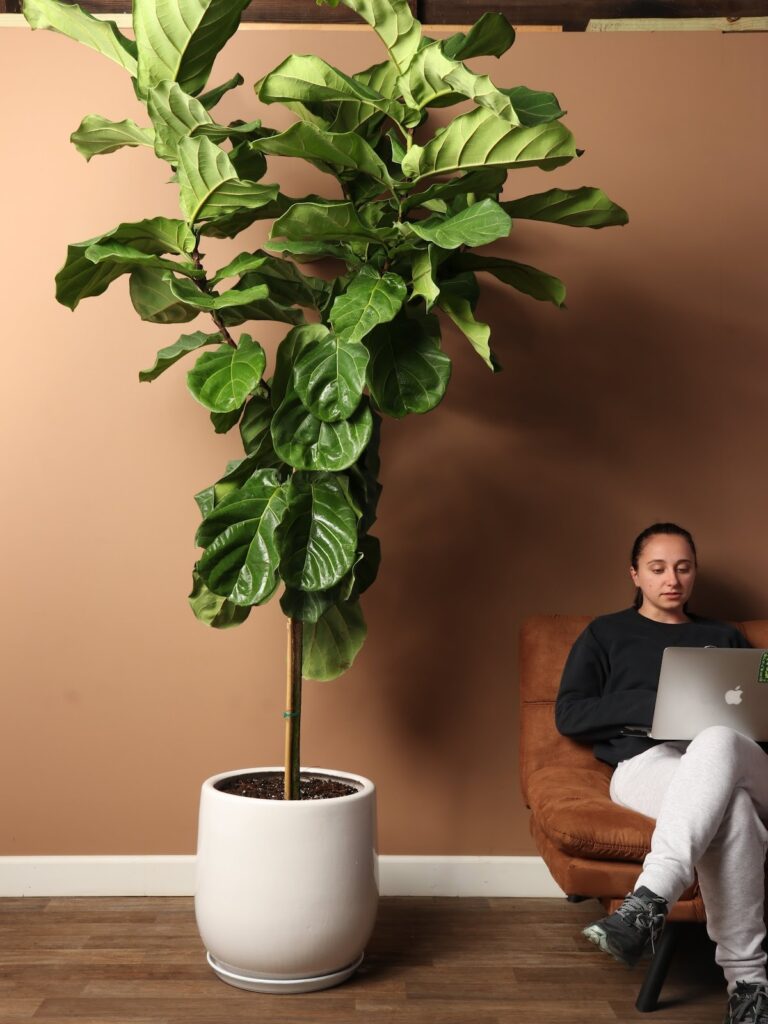
- Aesthetic enhancement: Plants soften hard surfaces, bring in colour, texture and can anchor design themes. For example, a bold-leaf plant like the Fiddle Leaf Fig (Indoor) or a tall palm outdoors adds visual height and interest.
- Mood & wellness: Many indoor plants purify air, increase humidity, and promote a sense of calm. Sources show that indoor greenery can contribute to cleaner air and better ambiance.Space definition: Outdoor plants help define seating areas, pathways, and garden “rooms”. Indoors, plants can delineate zones in an open-plan layout.
- Flexibility of décor: Especially in small homes or apartments, indoor plants allow you to bring nature inside. For outdoor spaces, plants suit terraces, balconies or gardens.
Because you are interested in both indoor and outdoor usage, it’s vital to choose plants that suit the conditions and space you have. The term house decorating plants indoor and outdoor underscores that dual use.
2. Indoor Decorating Plants: Top Picks and How to Style Them
2.1 Best Plants for Indoor Decoration
Here are some of the best options when selecting plants specifically for indoor decorating:
- Monstera Deliciosa – Big, dramatic leaves make this a statement plant.
- Snake Plant (Sansevieria) – Extremely low-maintenance and great for rooms with less light.
- Rubber Plant (Ficus elastica) – Glossy leaves, good indoor presence, one of the easier plants.
- Chinese Evergreen (Aglaonema) – Tolerates lower light, ideal for indoor areas.
- Pothos (Epipremnum aureum) – Great for hanging baskets or trailing from shelves.
- Aloe Vera – Succulent, decorative and functional.
6
2.2 Styling & Placement Tips for Indoor Plants
- Choose the right pot and stand: Good style starts with the planter. Matching the pot to your décor (e.g., woven basket, terracotta, ceramic) helps integrate the plant.
- Use height variation: Mix tall floor plants with smaller tabletop or shelf-plants to create dimension.
- Consider light conditions: A north-facing window will have lower light; choose plant types accordingly (e.g., Snake Plant or Chinese Evergreen).
- Group in odd numbers: Arranging plants in groups of three or five often feels more natural and appealing. As noted in user advice:
“Pick different sizes… arrange in groups in three, five or seven.” - Clean the leaves: Dust build-up can reduce light absorption; wipe leaves occasionally. Based on indoor care guides such as from Gharko blog.
- Ensure drainage: Indoor plant soil should drain well to avoid over-watering.
- Use plants as décor anchors: A large indoor plant can serve as a focal element beside a sofa or in a bare corner.
2.3 Care & Maintenance for Indoor Plants
- Light: Most indoor decorative plants prefer bright, indirect light. Some tolerate low light (Snake Plant, Chinese Evergreen) but may grow slower.
- Watering: Over-watering is a common mistake. Many plants prefer the top inch of soil to dry out before watering again (e.g., Pothos).
- Humidity & temperature: Many indoor plants enjoy moderate humidity (40-60 %) and stable room temperature (15–30 °C). Avoid placing near heating/cooling vents.
- Soil & fertiliser: Use a well-draining potting mix. During growth season, fertilise lightly every 4–6 weeks.
- Pot size & repotting: If roots are visibly circling, repot to a larger container. Some dramatic plants like the Fiddle Leaf Fig may grow tall indoors and thus need support.
By focusing on these care parameters, you’ll ensure your indoor decorating plants look vibrant and healthy.
3. Outdoor Decorating Plants: Top Picks and How to Style Them
3.1 Best Plants for Outdoor Decoration
For outdoor spaces—whether balcony, terrace or garden—these plants work well for decoration:
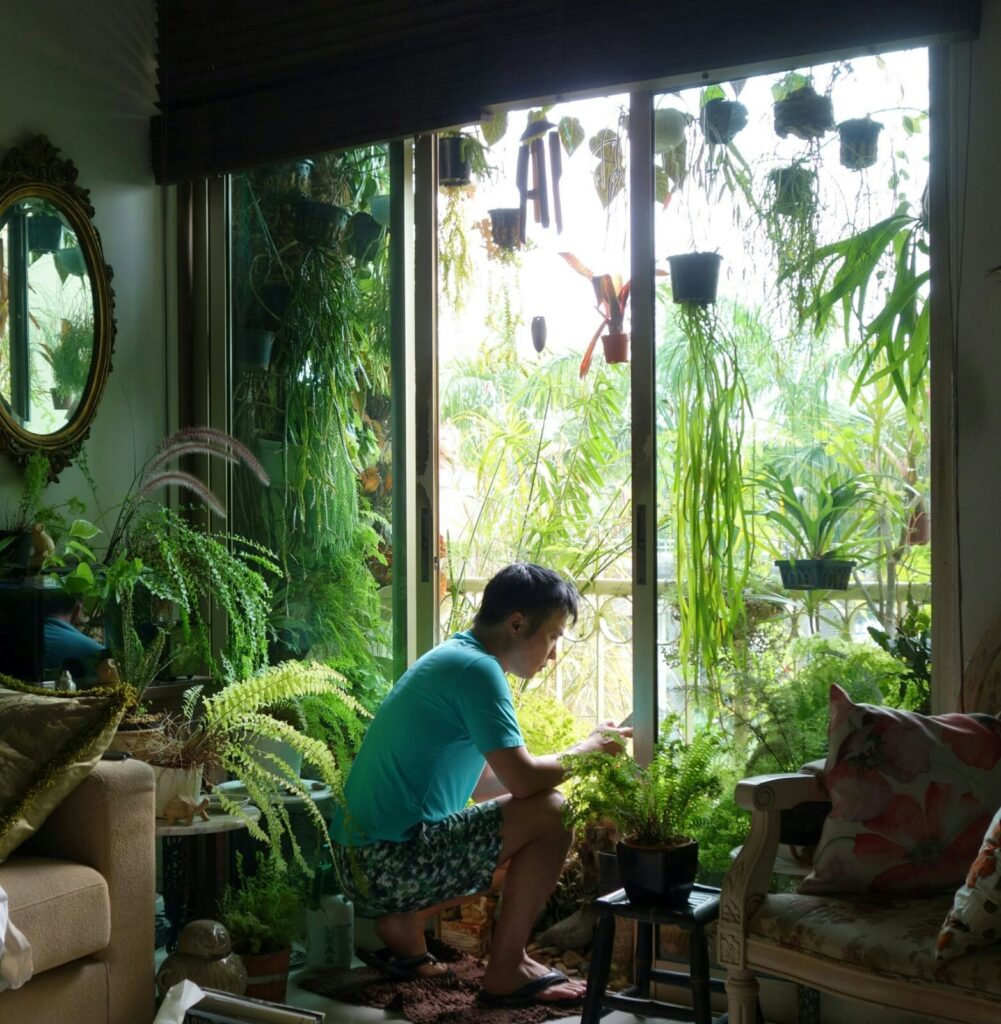
- Fern varieties – Add soft foliage and work well in shaded outdoor corners.
- Bamboo Palm – Hardy, decorative and suitable for patio style.
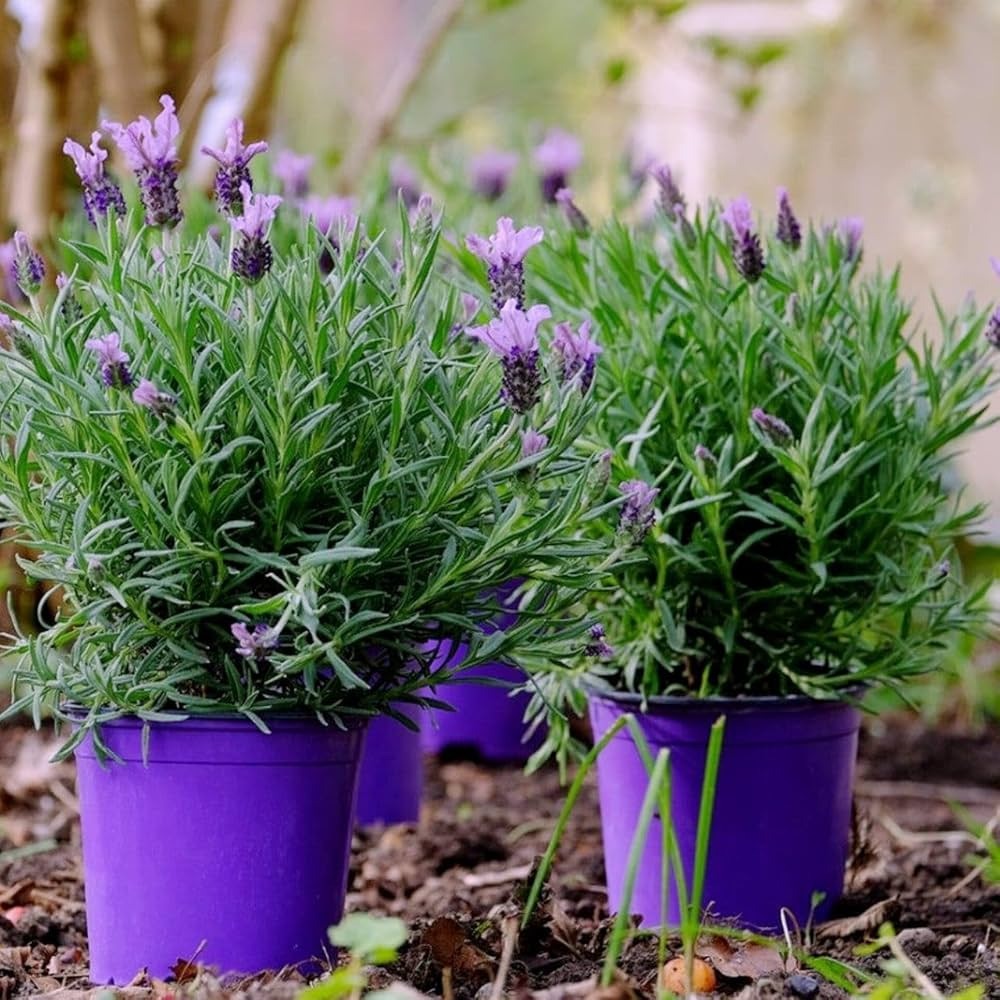
- Lavender – Offers colour and fragrance; can work in outdoor planters or borders
- Peace Lily – Although often indoor, some varieties are placed outdoors in shaded spots.
- Spider Plant – Great for hanging baskets outdoors too.
6
3.2 Styling & Placement Tips for Outdoor Plants
- Define zones: Use taller plants to frame seating areas, then mid-height and low plants to fill in.
- Use containers and planters: Outdoor plants in quality containers (terracotta, ceramic, weather-resistant) help control soil and watering.
- Combine textures: Mix foliage types (e.g., feathery ferns, rigid leaves of bamboo palm) for contrast.
- Consider light exposure: Outdoor spaces may have full sun or shade; choose plants accordingly. For instance, lavender needs good sun.
- Create vertical interest: Use hanging baskets (Spider Plant) or tall palms to draw the eye upward.
- Seasonal transition: Outdoor plants may need more frequent watering and may require relocation indoors if cold for extended periods.
3.3 Care & Maintenance for Outdoor Plants
- Soil & drainage: Outdoor plants often face more elements; use soil with good drainage and consider extra mulch or top-dress.
- Watering: Planters dry faster outdoors; check soil moisture frequently.
- Wind and sun exposure: Some plants may need protection from harsh winds or midday sun.
- Fertiliser: Outdoor decorative plants benefit from periodic feeding, especially during growth seasons.
- Pest & disease: Outdoor spaces can host more pests; inspect leaves, stems and soil.
- Winter care (for temperate climates): Some decorative plants should be moved indoors or protected if frost occurs.
4. Transitioning Between Indoor & Outdoor: Versatile Plants
Some plants are suitable for both indoor and outdoor environments—great for house decorating plants indoor and outdoor. For example, the Snake Plant and Peace Lily work well in both contexts.
Here are tips when using plants in both indoor and outdoor roles:
- Acclimatization: If you move a plant from indoors to outdoors (or vice versa), allow it to acclimatize gradually to avoid shock.
- Change in care: Outdoor conditions may require more light/water; indoors you may need to reduce watering and protect from drafts.
- Pot mobility: Use pots that are easy to move so you can shift plants according to season or usage.
- Plan for aesthetics: Use plants to link indoor and outdoor décor for visual continuity—matching pot styles, plant types, and foliage colours.
- Check suitability: Not all plants that look good indoors will tolerate full sun or outdoor weather extremes; verify before usage.
Using plants that can straddle indoor and outdoor spaces gives you flexibility and maximises décor investment.
5. Common Mistakes in House Decorating Plants and How to Avoid Them
When working with house decorating plants indoor and outdoor, there are pitfalls that many homeowners face:
- Wrong plant-for-light: Placing a low-light plant in direct sun or a high-light plant in shade causes stress and decline.
- Over-watering: Especially indoors, plants often suffer from root rot due to frequent watering.
- Uniform size: Using plants all of the same height or size creates a flat, uninspired look. Use variation.
- Ignoring drainage: Poor drainage leads to soggy soil and unhealthy plants.
- Neglecting indoor-outdoor transition: Moving a plant outdoors for summer without considering sun intensity or wind can shock it.
- Mismatched style: Choosing plant styles or pots that clash with the décor can diminish impact.
- Skipping maintenance: Dust, dead leaves, pests reduce the aesthetic and health of the plants.
Avoiding these mistakes will help ensure your decorative plants thrive and enhance your home.
6. Conclusion
In conclusion, when you are planning to incorporate house decorating plants indoor and outdoor, you’re embarking on more than just green décor — you’re creating living design elements that elevate every space. With thoughtful selection of indoor and outdoor plants, styling for your environment, and proper care, your home can reflect a lush, curated aesthetic.
Whether you choose a dramatic large-leaf indoor Monstera, a hardy Snake Plant, or an elegant outdoor Lavender or Bamboo Palm, the key is matching the plant to its environment, styling it into the décor, and maintaining it well.
By integrating both indoor and outdoor plants thoughtfully, your home transitions seamlessly between interior comfort and exterior freshness. Let plants breathe life into your space, and you’ll enjoy beauty, wellness and a welcoming atmosphere.
7. Frequently Asked Questions (FAQs)
Q1: Can I use the same plants both indoors and outdoors?
A: Yes — many decorative plants are versatile enough for both indoor and outdoor use, provided their light, temperature, and soil conditions are met. For example, the Snake Plant and Peace Lily thrive in both settings when handled properly.
Q2: How much water do indoor decorative plants need?
A: It varies by species and environment. A general rule is to allow the top inch of soil to dry out before watering again for many indoor plants. Over-watering is the most common cause of failure.
Q3: What is the best way to style plants in a small apartment?
A: Use vertical space (shelves, hanging baskets), choose smaller plants or trailing plants like Pothos, group plants in odd numbers, and match pots to your décor. Also ensure you select plants suitable for the available light.
Q4: Outdoor plants in pots – how do I maintain them through seasons?
A: Ensure the pot has good drainage, check soil moisture more often (pots dry faster outdoors), protect plants from heavy rain or extreme sun, and move or cover them if frost is a concern.
Q5: Do indoor plants actually improve indoor air quality and mood?
A: Many indoor plants help filter toxins and add humidity, which can positively affect mood and wellness. Guides recommend plants like Chinese Evergreen, Rubber Plant and others for these benefits.
Q6: Which plants are easiest for a beginner decorator?
A: Some of the easiest and most forgiving include Snake Plant, Pothos, Chinese Evergreen and Rubber Plant. These tolerate variable light and irregular care.